
Sport psychology built into clinically-led coaching
HP3 sport psychology is delivered by an HCPC-registered Sport and Exercise Psychologist and a psychologist in training on the accredited route to registration, working inside the same team as the coaches and physiotherapists who already know your training. The mental skills you build are tied to the sessions and races you are actually preparing for, not taught in the abstract.
Whether you come apart under race pressure, lose your motivation when the plan gets dull, cannot trust your body after an injury, or want to think more clearly through the long hours, the process is the same: understand how you think when it matters, build the skills that change it, and practise them where they will be used. Sessions are by video, so HP3 sport psychology is available wherever you train.
A 50-minute session costs £75 and a block of four is £280. Everyone starts with a free 20-minute introductory call.
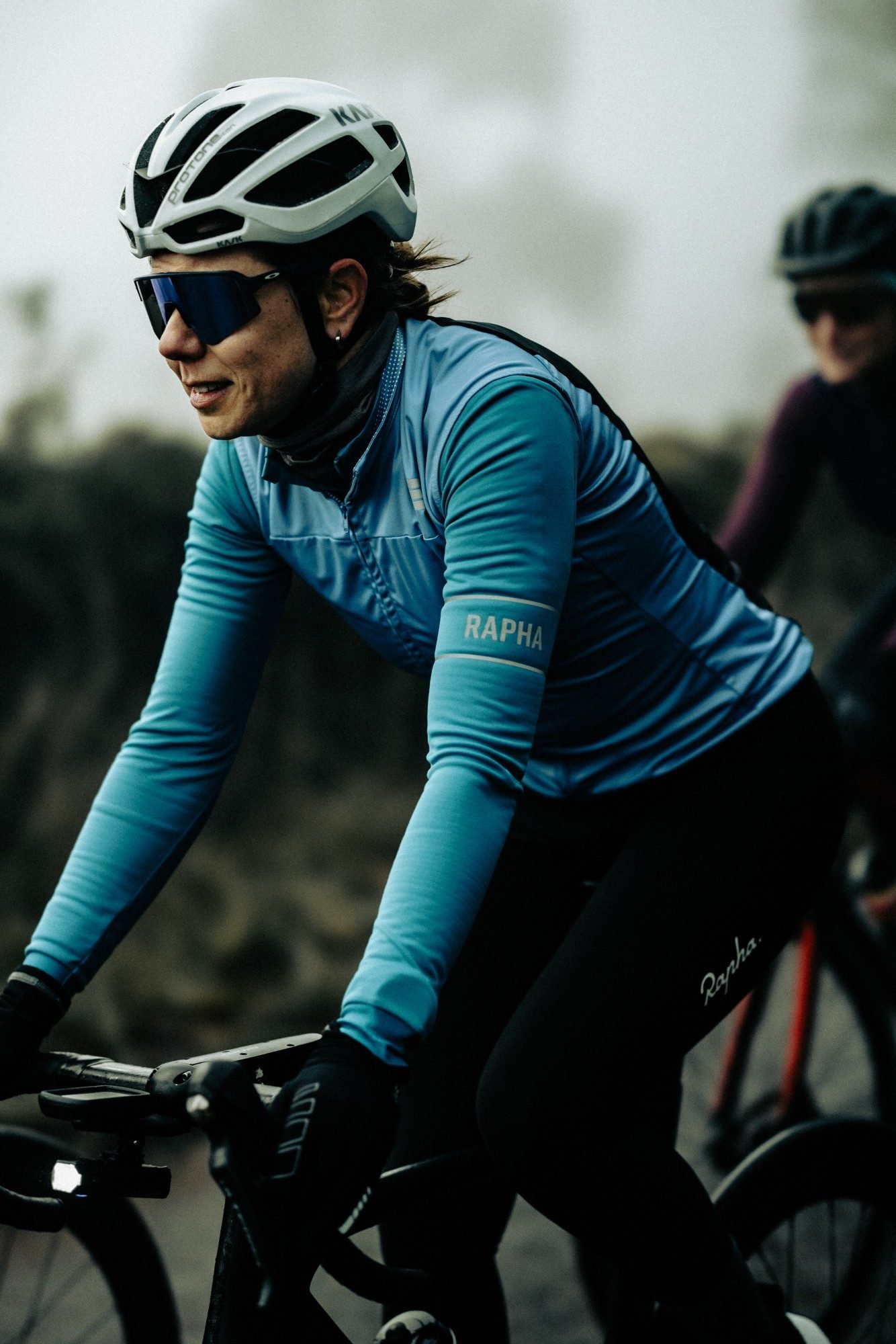
Pressure, confidence and the long road back
Most athletes come to us for one of three reasons. The work is the same in each: understand how you actually think when it matters, decide what needs to change, and build a skill you can use in training before you need it in a race.
Performance under pressure
Pacing, focus, and what you say to yourself in the hard hours decide endurance performance as surely as fitness does. Psychological skills training improves sporting performance across more than thirty meta-analyses (Lochbaum et al., 2022), and what athletes think during competition can be recorded and changed: our lead psychologist’s own research captured the live thoughts of cyclists during time trials and linked them to pacing (Whitehead et al., 2018). Race-day nerves, going out too hard, negative self-talk, and losing concentration when it hurts are all workable.
Confidence, motivation and wellbeing
Confidence that holds when training goes badly, motivation when the plan is repetitive, goals that survive a poor week, and the self-criticism that follows a bad race. Life, sport and training are not separate from one another, and wellbeing is part of performance rather than a distraction from it. If you are a coach, the same work applies to how you lead and how you cope with the pressure of other people’s results.
Injury, return to sport and transition
Fear of re-injury, learning to trust your body again, a long rehabilitation, or leaving a sport you have built your life around. Psychosocial support during rehabilitation improves how athletes recover and return (Gennarelli et al., 2020). Because your psychologist, physiotherapist and coach are one team, the return is planned together rather than handed between them.
Not sure whether sport psychology, coaching or physiotherapy is the right first step? Email info@hp-3.co.uk and ask, and we will tell you plainly.
Understand it, build the skill, practise it
Every HP3 sport psychology engagement follows the same process, in the same order, by video or in person. It starts with a conversation that costs nothing. If you want to see what a session is like before you book, watch an example consultation in which our lead psychologist works through an athlete’s preparation for UTMB.
A free introductory call
Twenty minutes by video with one of our psychologists. You describe what you want to change and what is getting in the way; they tell you honestly whether sport psychology is the right route, roughly how many sessions it is likely to take, and which of the team you should work with. If the answer is a coach, a physiotherapist or your GP instead, you will hear that too. Nothing is sold on the call.

Sessions that start from your situation
A 50-minute session is collaborative. You bring the race, the session or the pattern that keeps repeating; your psychologist brings the evidence and the questions that make sense of it. Together you work out what is actually happening in your head at those moments and agree one or two things to practise before the next session. Most athletes work in a short series, and every session is confidential.

Practise it, then take it into the team
Mental skills are trained like physical ones: in sessions, under load, before race day. If you are coached by HP3 and you give your consent, the plan is written into your TrainingPeaks programme so that your coach builds the practice into the sessions it belongs to, and your physiotherapist knows where you are in a return to sport. Nothing from a psychology session reaches anyone without your say-so.
What to have ready
- The moments you want to change: a race that went wrong, a session you dread, a thought that keeps returning. Specific beats general.
- Your training and racing calendar, so the work can be timed to the events that matter.
- If you are injured, where you are in your rehabilitation and who is treating you.
- An honest answer to whether you want to perform better, feel better, or both. All three are legitimate.
What you receive
- A clear account of what is happening psychologically in the moments you described, in plain language.
- One or two skills to practise between sessions, with a plan for where in your training they will be used.
- A series of sessions sized to the problem, not an open-ended commitment.
- With your consent, a note to your HP3 coach or physiotherapist so the three of them work from the same plan.
Sport and exercise psychology is a regulated profession. The title is protected by the Health and Care Professions Council, and only registered practitioners, or trainees on an accredited route under supervision, may use it. HP3 sport psychology is about how you think, feel and behave in training and competition, and about wellbeing in the life around your sport.
It is not treatment for mental illness. If what you bring to a session needs a GP, a clinical psychologist or another service, your psychologist will say so and help you find the right one.
One fee, whoever you see
Every session is delivered by one of HP3’s sport and exercise psychologists, by video or in person by arrangement, and the fee is the same whichever of them you work with. If you are not sure what you need, book the free introductory call and you will be told.
One-to-one sport psychology
For athletes at any level, from a first 10k to a world championship, and for coaches.
- Introductory call, 20 minutesBy video. What you want to change, whether sport psychology is the right route, and who you should see.Free
- Sport psychology session, 50 minutesCollaborative and confidential. You leave with something to practise.£75
- Block of four sessionsFor athletes who want to commit to a series after the first session. Saves £20 on four single sessions.£280
Clubs, teams and organisations
For groups who want the same evidence-based approach delivered together.
- Club and team workshopsMental skills for endurance sport, delivered in person or online and tailored to the group.On enquiry
- Coach and organisation consultancySupport for coaches, management teams and sporting organisations on the psychology of performance environments.On enquiry
Fees are per athlete. Sessions are 50 minutes by video; in-person sessions can be arranged in the North West of England and are confirmed when you book.
Your psychologists
HP3 sport psychology is led by a registered practitioner psychologist who researches and teaches the subject at a university and has raced everything from national-league basketball to an Ironman, supported by a psychologist in training on the accredited route to registration who competed professionally himself. The combination is deliberate: the person you talk to can read the evidence, and has stood on a start line.

Dr Amy Whitehead
Lead sport and exercise psychologist Sport and Exercise Psychologist, registered with the Health and Care Professions Council as a Practitioner Psychologist. Chartered Psychologist with the British Psychological Society. PhD in sport psychology.Amy is an Associate Professor in Sport Psychology and Coaching at Liverpool John Moores University, with more than 50 publications in sport psychology and coaching. Her research uses the Think Aloud method to record what athletes actually think during competition, including cyclists in time trials, which is why her sessions start from what is going on in your head on the day rather than from a textbook. She has practised as an applied psychologist for over 15 years with professional football teams, Olympic medallists and recreational athletes alike. Her own sport is mixed: a high-level junior tennis player, a national-league basketballer, an ultramarathon runner and, more recently, a triathlete who has raced Ironman UK, 70.3 and the European Championships at standard distance.

Alex Hogben
Sport and exercise psychologist in training Sport and Exercise Psychologist in Training on the accredited CASES route to HCPC registration, practising under supervision.Alex has over four years’ experience supporting athletes, coaches and organisations across distance running, swimming, cricket, rugby league and football, including academy and women’s professional environments. A former professional athlete and NCAA Division I competitor, he knows the performance and personal pressures of elite sport first-hand. He works collaboratively, helping athletes build self-awareness, psychological flexibility and practical, evidence-based mental skills that improve performance while protecting wellbeing. He works with anxiety and pressure, focus, confidence, motivation, self-criticism after poor results, injury and recovery, and the transition through or out of sport.
We work from evidence, not fashion. Every skill we teach has a published basis, and we will tell you when the evidence is thin. We do not sell motivation, mindset slogans or a guaranteed outcome.
Everything said in a session is confidential. We share nothing with your coach, your physiotherapist or anyone else without your consent, and when you do consent we share the plan, not the conversation. If what you need is beyond sport psychology, we say so and help you find the right service.
A selection of Dr Amy Whitehead’s peer-reviewed work on what endurance athletes think while they compete, and on the Think Aloud method used to study it. The full list is on her ResearchGate profile.
- Cognition and pacing in endurance sport. Whitehead AE, Jones HS, Williams EL, et al. Investigating the relationship between cognitions, pacing strategies and performance in 16.1 km cycling time trials using a think aloud protocol. Psychol Sport Exerc 2018;34:95-109. doi:10.1016/j.psychsport.2017.10.001
- How thinking changes over a time trial. Whitehead AE, Jones HS, Williams EL, et al. Changes in cognition over a 16.1 km cycling time trial using Think Aloud protocol: preliminary evidence. Int J Sport Exerc Psychol 2017;17(3):266-274. doi:10.1080/1612197x.2017.1292302
- Think Aloud, performance and the brain. Whitehead AE, Montgomery C, Swettenham L, Robinson N. The effect of think aloud on performance and brain oxygenation during cycling: an exploratory study. Percept Mot Skills 2022;129(4):1115-1136. doi:10.1177/00315125221104769
- Training athletes to think aloud. Birch PDJ, Whitehead AE. Investigating the comparative suitability of traditional and task-specific think aloud training. Percept Mot Skills 2020;127(1):202-224. doi:10.1177/0031512519882274
Learn from us
HP3 publishes what it teaches. Watch a real consultation, hear our psychologists on the myths of coaching and the value of self-compassion, read the books our lead psychologist has edited, and use the mental skills resources the coaching team works with. If you then want the skills built for you and your races, that is what the sessions are for.
Watch and listen
- An example sport psychology consultation: preparing for UTMBVideo, 49 minutes, HP3 YouTube, with Dr Amy Whitehead
- Self-compassion in endurance sport, with Alex HogbenWebinar, 26 minutes, HP3 YouTube
- Myths of sport coaching, with Dr Amy WhiteheadWebinar, 46 minutes, The Cycling Physios
- Myths of sport coaching, with Dr Amy Whitehead and Jenny CoePodcast, The Sport Psych Show
- Mindfulness in sport: how learning to be present can improve performanceArticle by Alex Hogben
Books by our lead psychologist
- Myths of Sport CoachingEdited by Amy Whitehead and Jenny Coe, Sequoia Books, 2021
- Myths of Sport PerformanceEdited by Amy Whitehead and Jenny Coe, Sequoia Books, 2024
- Women Working in SportEdited by Jenny Coe and Amy Whitehead, Sequoia Books, 2025
- Myths of Sport and Exercise PsychologyEdited by Amy Whitehead and Jenny Coe, Sequoia Books, published October 2026
Frequently asked questions
Do I need to be coached by HP3 to see a sport psychologist?
No. Sport psychology is open to anyone: coached elsewhere, self-coached or not training to a plan at all. If you are coached by HP3 and you choose to, your psychologist, coach and physiotherapist can work from the same plan, so the mental skills are built into your programme rather than added on top of it.
Are sessions online or in person?
Sessions are by video, so you can work with an HP3 psychologist wherever you train. In-person sessions can be arranged in the North West of England; ask on your introductory call and it will be confirmed when you book.
What does it cost?
The introductory call is free. A 50-minute session is £75, and a block of four sessions is £280. Workshops for clubs and teams, and consultancy for coaches and organisations, are priced on enquiry. The full list is in services and fees.
How many sessions will I need?
It depends on what you bring. Most athletes work in a short series, because self-awareness and new habits take more than one conversation to build, and the block of four exists for that reason. You will be given an honest estimate on the introductory call, and the series ends when the work is done, not when a package runs out.
What happens on the introductory call?
Twenty minutes by video. You describe what you want to change, your psychologist asks enough questions to understand it, and you are told whether sport psychology is the right route, roughly how long it might take and who on the team you should work with. If the right answer is a coach, a physiotherapist or your GP, you will be told that instead.
Is what I say confidential?
Yes. Nothing from a session is shared with your coach, your physiotherapist or anyone else without your consent. When you do consent, what is shared is the plan your coach needs to build the practice into your training, not the content of the conversation. The only exceptions are those required by law or where there is a serious risk to safety, which your psychologist will explain at the outset.
Is sport psychology the same as therapy or counselling?
No. Sport and exercise psychology is a regulated profession concerned with how you think, feel and behave in training and competition, and with wellbeing in the life around your sport. It is not treatment for mental illness. If what you bring needs a GP, a clinical psychologist or another service, your psychologist will say so and help you find it.
I am injured. Can sport psychology help before I am back training?
Yes, and often that is the best time. Fear of re-injury, loss of identity and the frustration of a long rehabilitation respond to psychological support, and the evidence shows it improves how athletes recover and return. Because your HP3 physiotherapist and psychologist are one team, the return to sport is planned together.


Book a session
Booking starts with a short message. Tell us what you are training for and what is getting in the way, and one of HP3’s sport and exercise psychologists will contact you to arrange your free introductory call. Everything you tell us is read by the psychologist and no one else.
If what you need is coaching or physiotherapy rather than psychology, start with coaching with HP3 or physiotherapy at HP3. If you would rather get to know the team first, join the TeamHP3 community.
Not sure which service you need? Email info@hp-3.co.uk and ask.
Every session is 50 minutes, confidential, and ends with something to practise. The full list, including workshops and coach consultancy, is in services and fees.
- Introductory call, 20 minutesFree
- Sport psychology session, 50 minutes£75
- Block of four sessions£280
- Club, team and coach workOn enquiry