
From life support to the podium.
Tim Pigott is a physiotherapist, endurance coach and the founder of HP3. A near-fatal road accident at 20 took him from Special Forces selection to five days on life support and six months in a wheelchair. The rebuild that followed is why HP3 coaches the way it does: clinical assessment built into training, not added on.
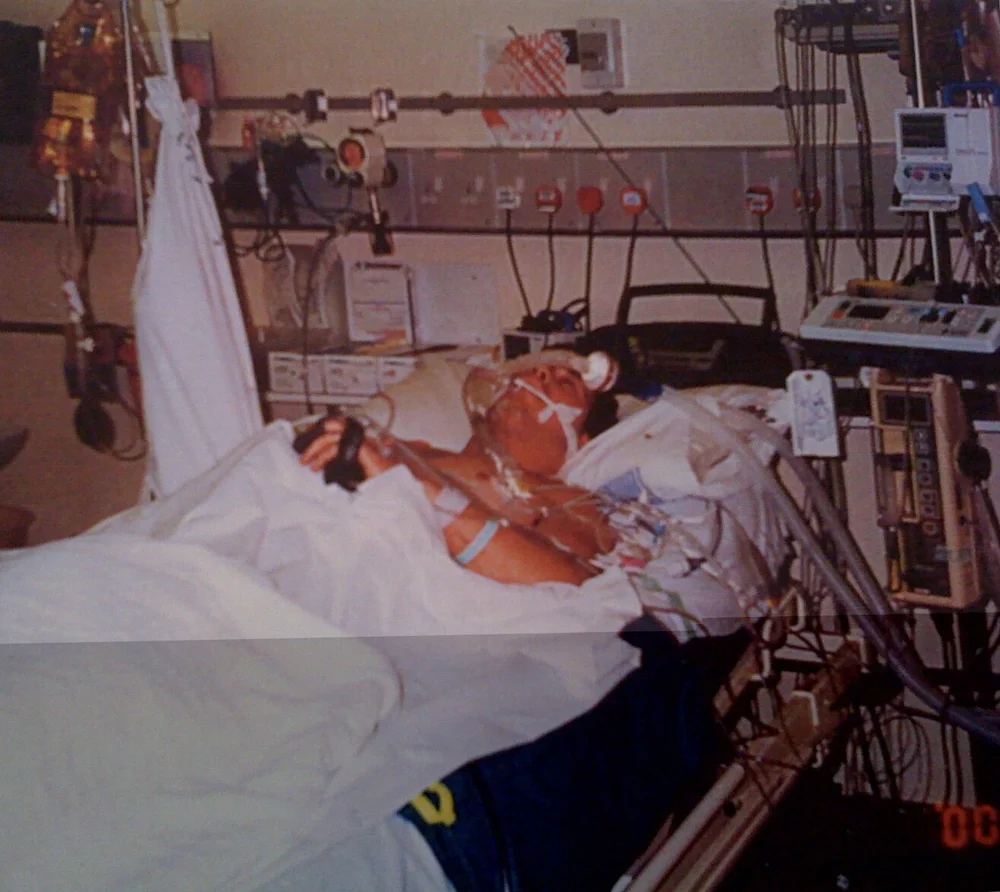
16th August 2000
Growing up we were always outdoors; I was falling off horses before I could walk, all day adventures on our bikes, out running with the dogs, sailing, hockey, rugby, martial arts, you name it. Never particularly competitive when it came to running, although I did represent the county at 1500m and win a few local races, I was more interested in fitness for a career in the military. But aged 20, while at university studying physiotherapy and at the start of selection for a T.A. Special Forces unit, I was hit by a car on the wrong side of the road on a blind summit. My fitness at the time undoubtedly saved my life, but I still spent five days on life support.
The accident left me with fractures to my left tibia and fibula (lower leg), right femur (thigh), both pubic rami and right ilium (pelvis), a few ribs, my right radius (forearm), and my jaw. I'd ripped all the flesh off my right elbow, smashed my head so hard my inner ear had been stretched and torn (resulting in now reduced hearing), but worst of all my lungs filled up with fluid (A.R.D.S.). Quite simply I was lucky to be alive, but was still only given a 10% chance of survival.
Multiple surgeries across two different hospitals (Princess Margaret in Swindon, and John Radcliffe in Oxford) and I eventually left hospital in a wheelchair. I spent the next six months in a wheelchair before slowly learning to walk again. In the challenge of keeping me alive during the first rounds of surgeries, the importance of achieving perfect alignment of the fractures was not at the top of the list and I was left with shortened and rotated fractures in my legs. I was too sick to surgically fix the pelvis initially and it was two weeks after the accident before I was stable enough to go back and have that operation; by then the pelvis was getting stuck in a twisted and shifted position. The result being that I couldn't ride a bike or run without destroying my hip joint. So 18 months later I went back under the knife again and had the femur re-fractured and fixed again in a better alignment, and started another 18-month journey of rehab. I was told I was still unlikely to be able to run again, but see how I got on; perhaps better to accept a more sedentary life going forward.
Beating the odds
Hydrotherapy turned into swimming a few lengths. Static exercise bike turned into buying a road bike (still got that one in the loft, can't part with it). Eventually I was allowed to try to run. I can clearly remember the first time I ran for 30 seconds on a treadmill: I cried and phoned my mum!
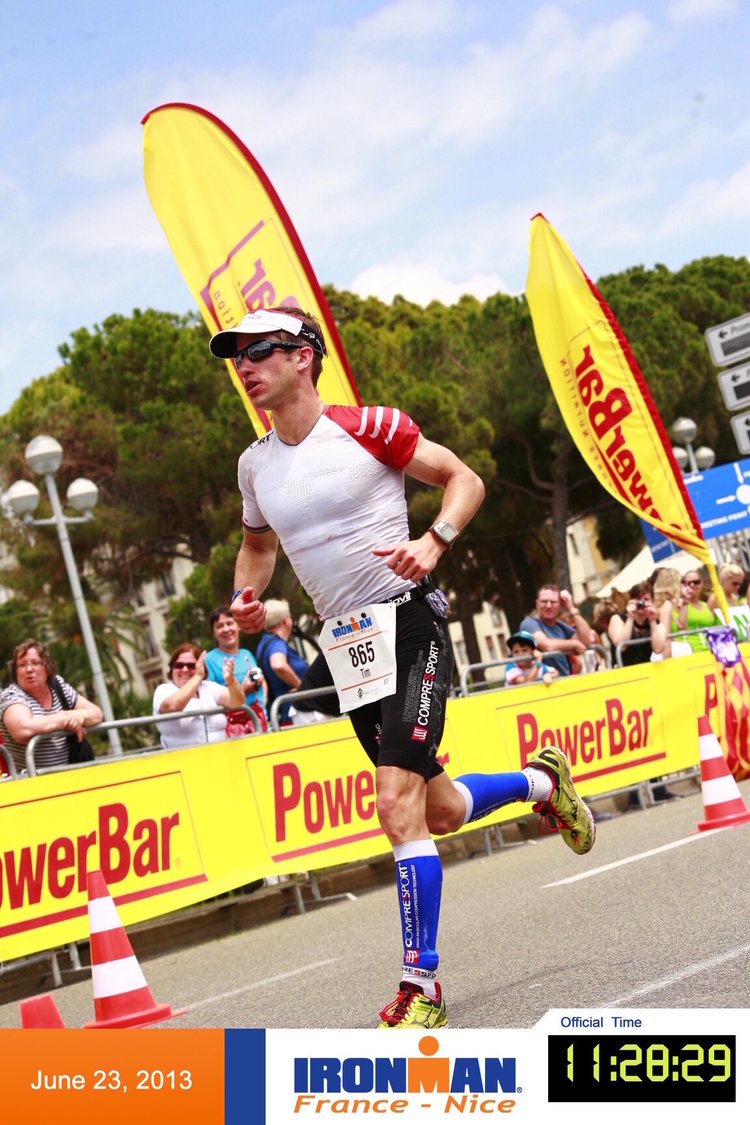
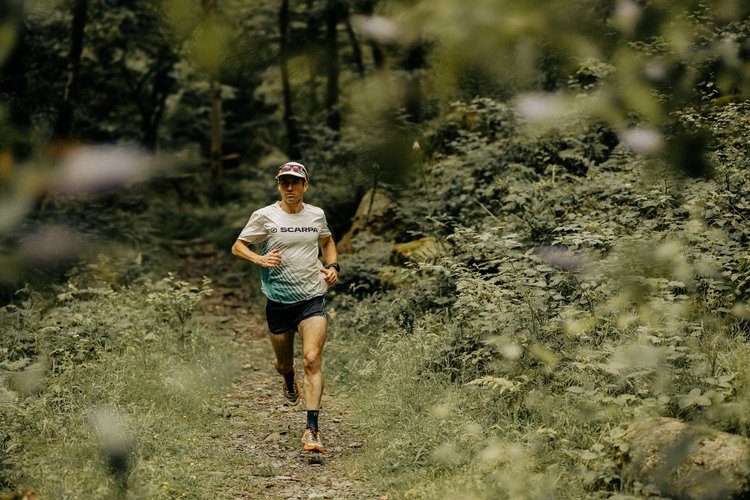
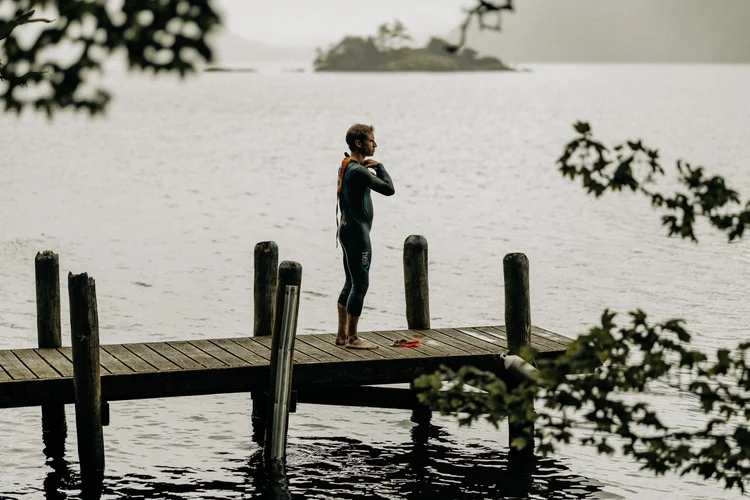
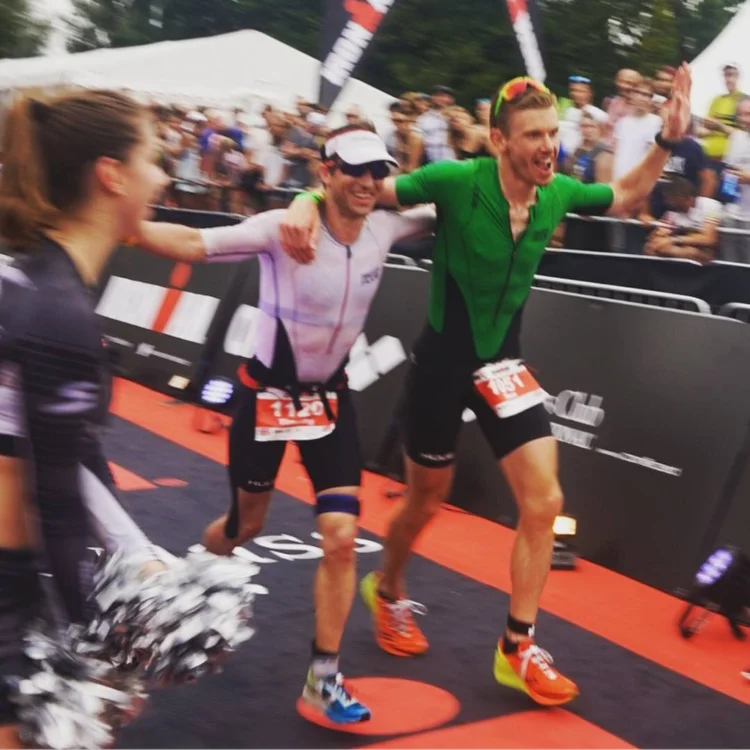
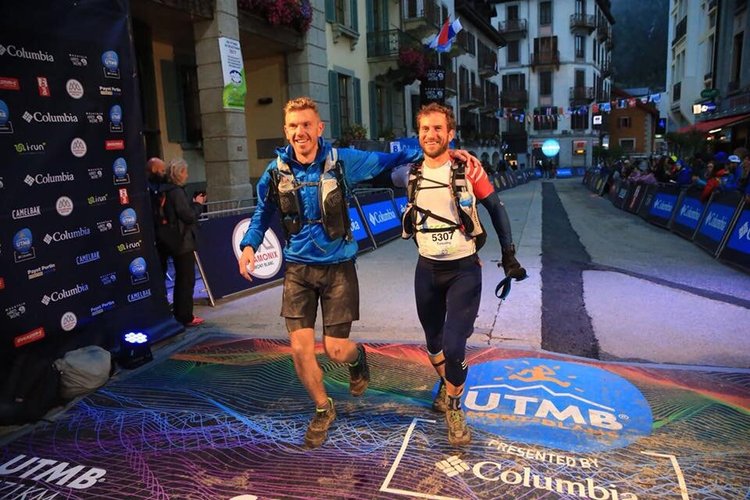
Still, I couldn't run much so discovered triathlon. I learned to swim properly (thanks to Bob Hogg at Ryton Tri), ride a bike (thanks to Chris Bush and all the Gosforth RC guys), and eventually build the running back up (thanks to the Claremont Road Runners club). Over the next six years I gradually rebuilt myself and eventually got back to running enough to complete the London Marathon to raise money for the intensive care department who saved my life. The rebuild continues, and while I still have a lot of physical issues (pelvis is a bit wonky) I am now in a position again to be racing for podiums rather than just completing events!
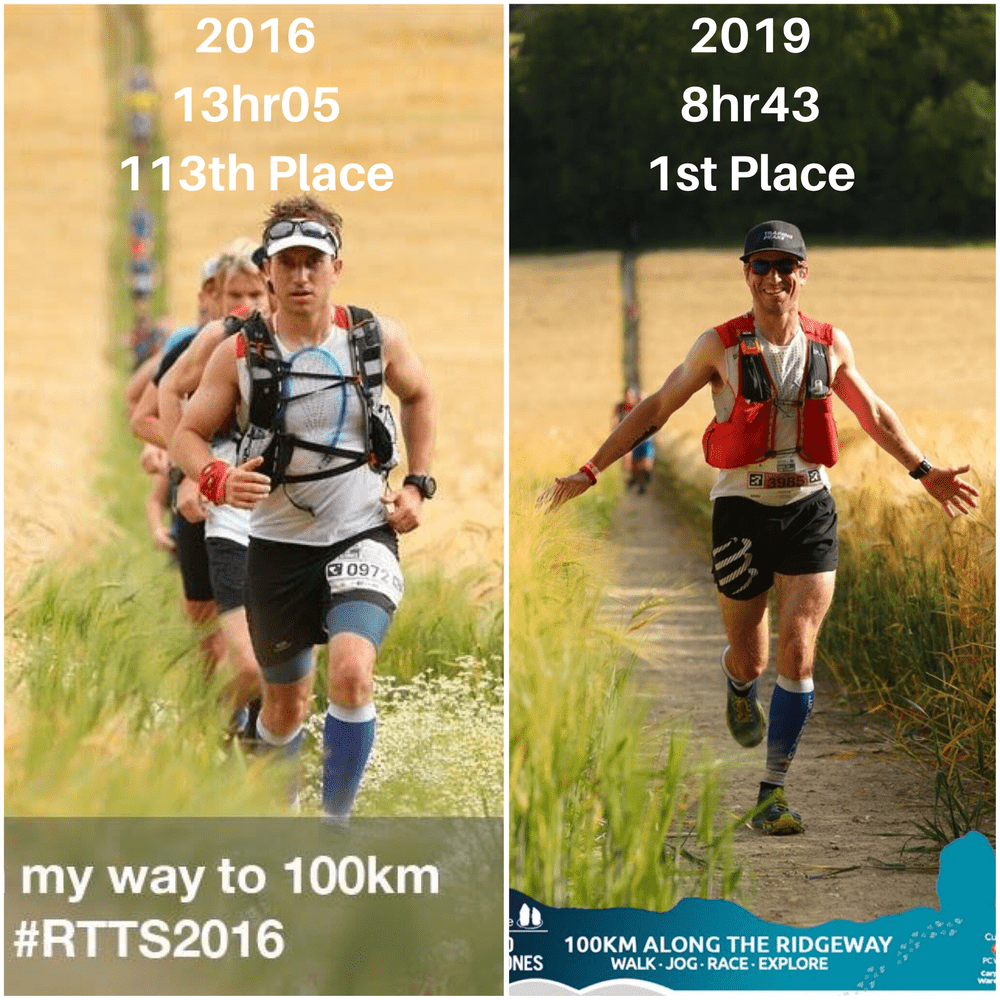
Race results
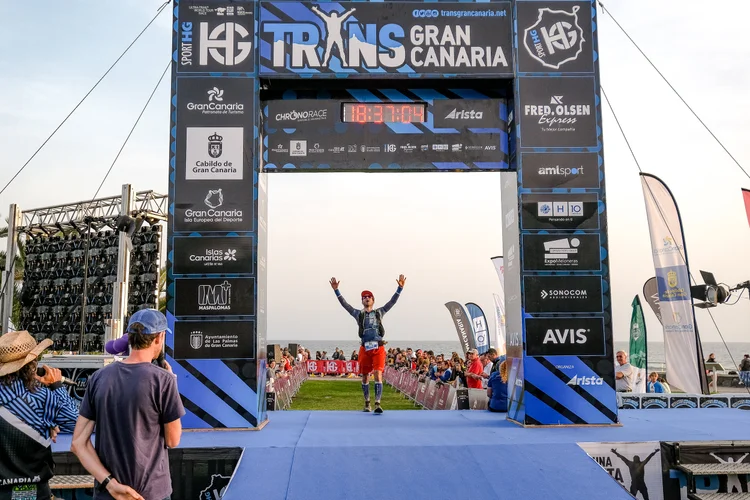
Selected results from the comeback: from an iron-distance debut to national championship podiums.
What the story means for your coaching.
Physiotherapy first
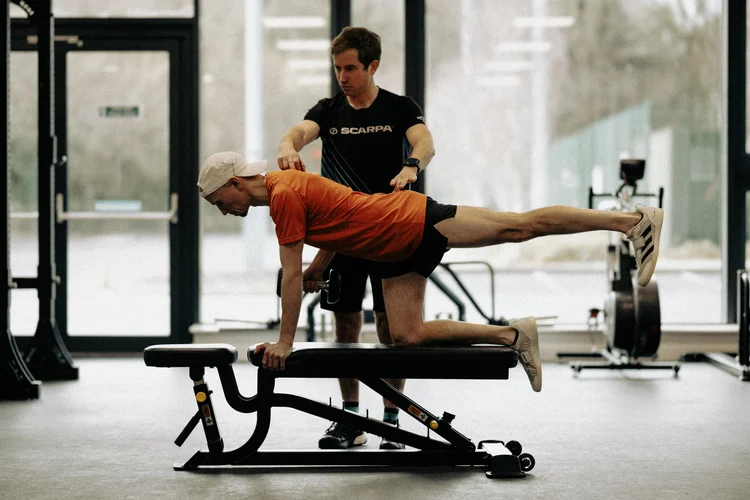
Injury prevention and rehabilitation are built into every training plan from the start, not added on when something breaks.
Evidence over fashion
MSc Physiotherapy, published peer-reviewed research, university lecturing and TrainingPeaks certification sit behind every coaching decision.
Lived experience
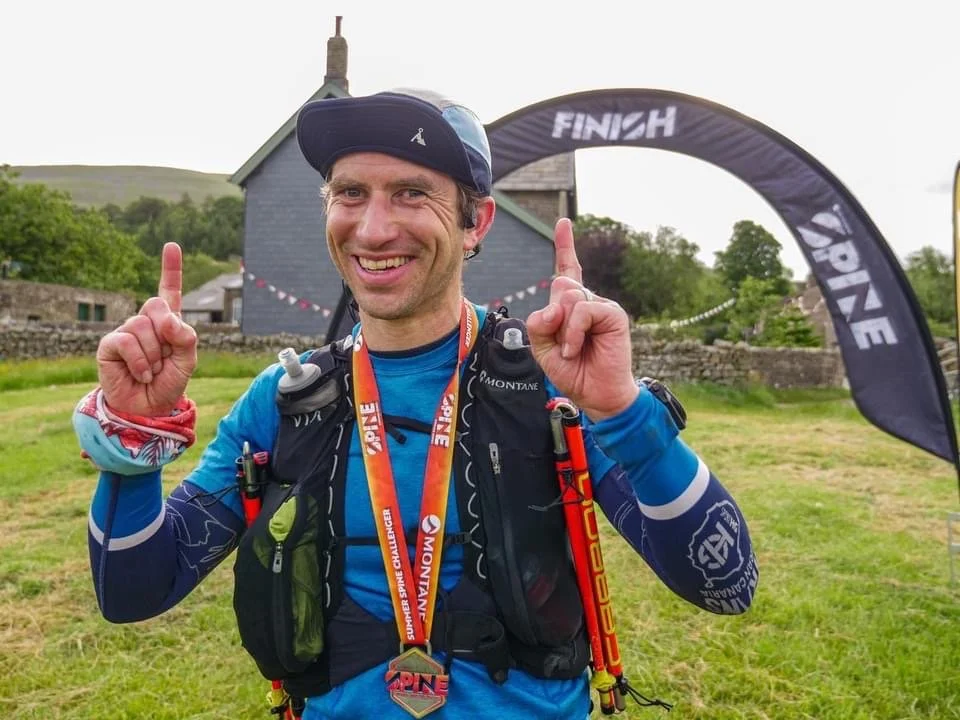
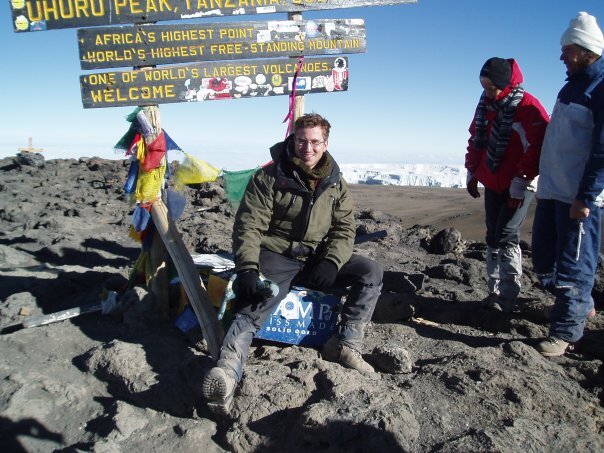
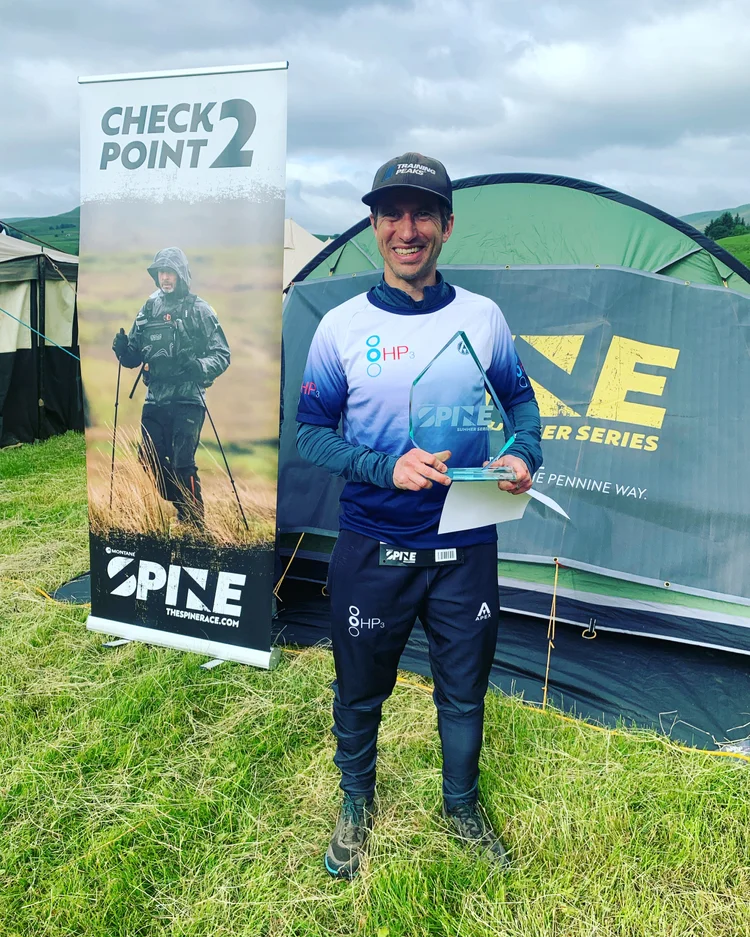
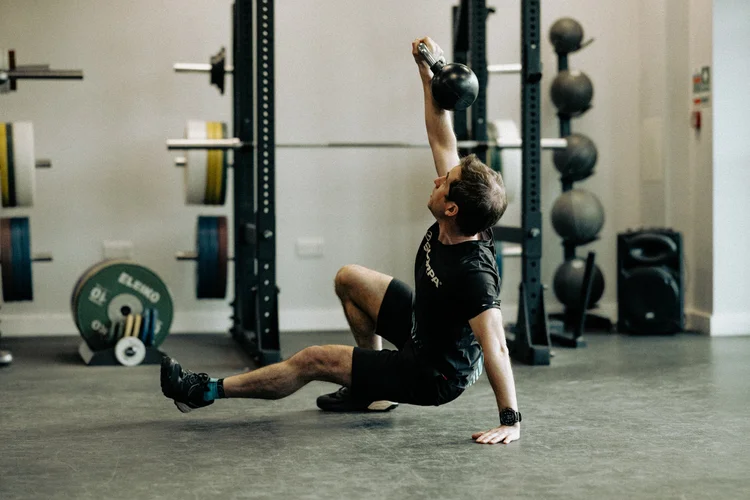
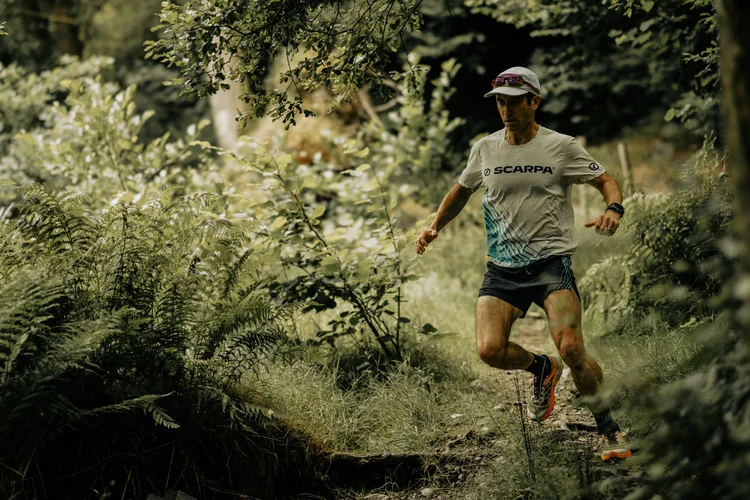
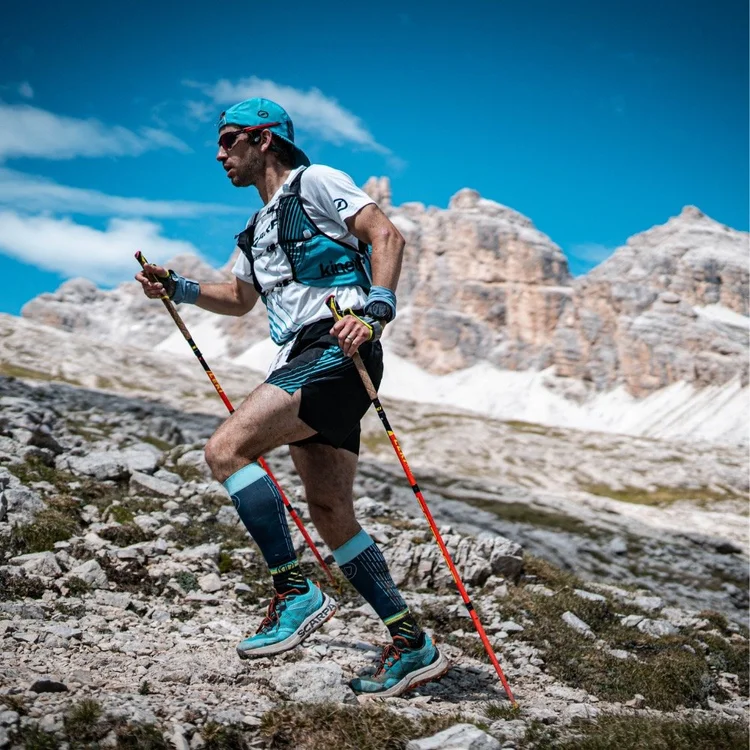
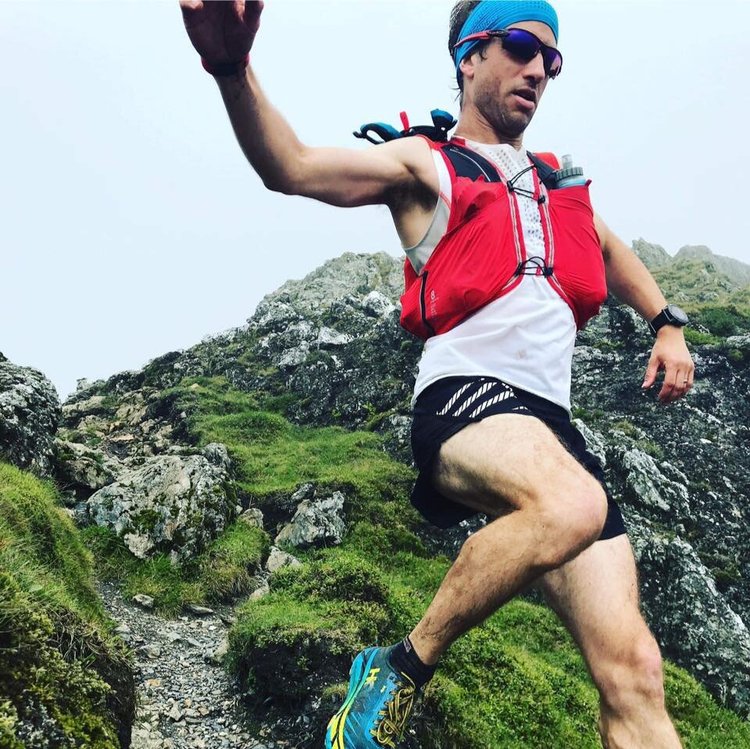
Tim has done his own rehab the hard way, from six months in a wheelchair to winning the Montane Summer Spine Challenger.
From intensive care to international podiums.


Your rebuild starts with a conversation.
Whatever your starting point, injury or ambition, tell us where you are and where you want to get to. We will give you an honest answer about whether we can help and what it would involve. No charge, no obligation.