
Sleep coaching built into clinically-led coaching
HP3 sleep coaching is delivered by a sleep physiology and chronobiology researcher working inside the same team as the coaches, physiotherapists and nutritionists who already know your training. It starts with a screening questionnaire, not a sales call, and the plan you leave with is written into the programme you are actually following.
Whether you are training hard on too little sleep, racing across time zones, running through the night in a multi-day event, or simply waking unrefreshed and wondering why, the process is the same: measure what your sleep is actually doing, work out what is driving it, and change the things that the evidence says matter. Consultations are by video, so HP3 sleep coaching is available wherever you train.
Everyone starts with the free screening questionnaire. It tells us whether sleep coaching is the right route and, if it is not, we will say so. Every consultation after that is 60 minutes and costs £75.
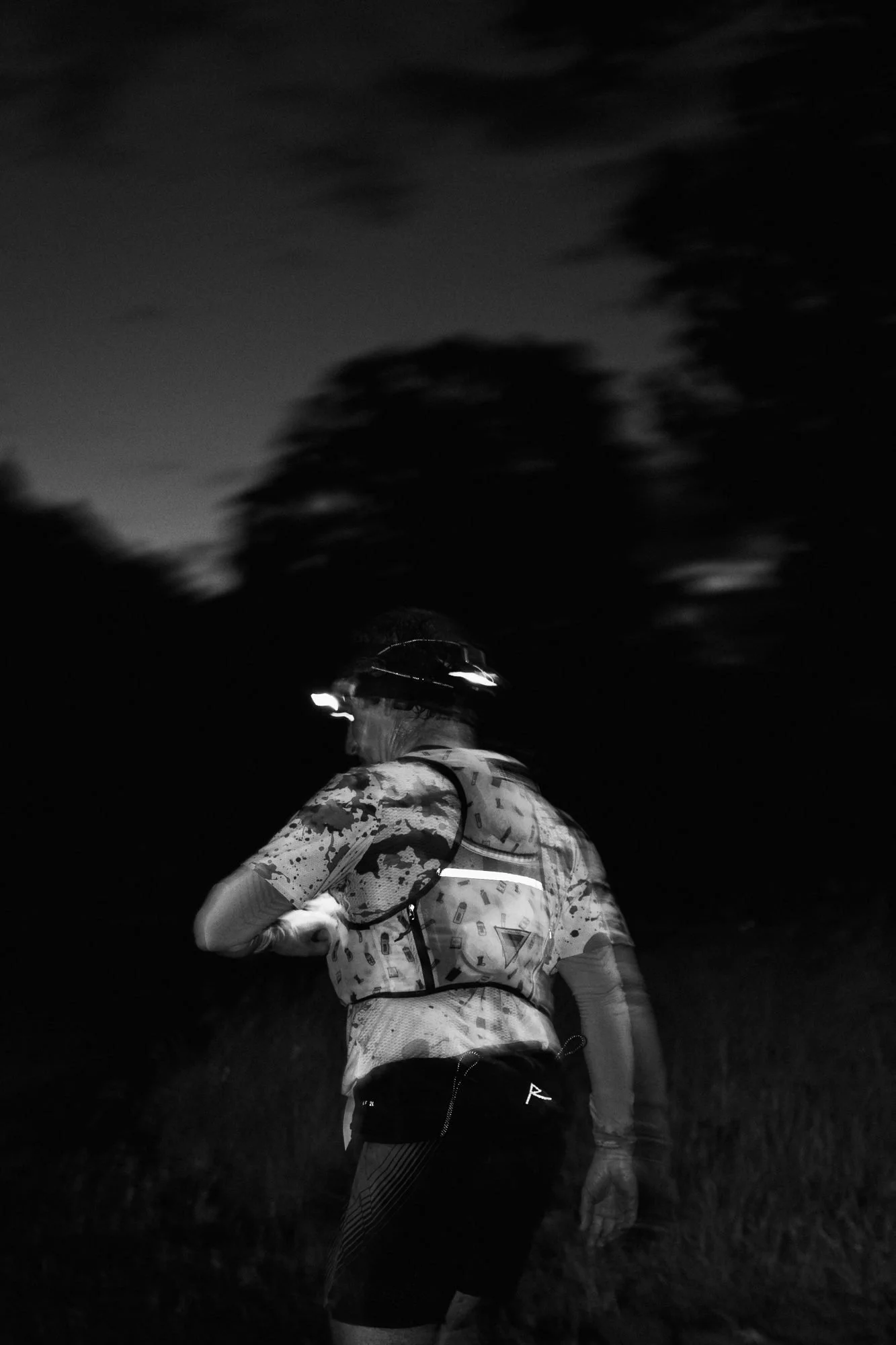
Too little, badly timed, or none at all
Sleep is the recovery you cannot train around. Most athletes come to us for one of three reasons, and the work is the same in each: measure what your sleep is actually doing, find what is driving it, and change the things the evidence says matter, in an order that fits your training.
Training hard on too little sleep
The international consensus on sleep and the athlete is blunt: sleep is fundamental to health and performance, and many athletes get less of it, and of poorer quality, than they need (Walsh et al., 2021). Acute sleep loss reduces physical performance, with the largest effects on evening sessions and races (Craven et al., 2022), and poor sleep is associated with a higher rate of training injury (Dobrosielski et al., 2021). If you are stacking early starts, long weeks and a family on six hours a night, this is where we start.
Travel, time zones and your body clock
Flying to a race across time zones, training around shift work, or being an evening type forced into 6am sessions are all body-clock problems, and body-clock problems have specific fixes: light, meal and exercise timing, and a plan that starts before you travel, not when you land (Janse van Rensburg et al., 2020). Your chronotype also shapes how well you sleep and when you perform best, and it can be measured (Pullinger et al., 2025). We build the schedule around the clock you have, not the one the race assumes.
Racing through the night
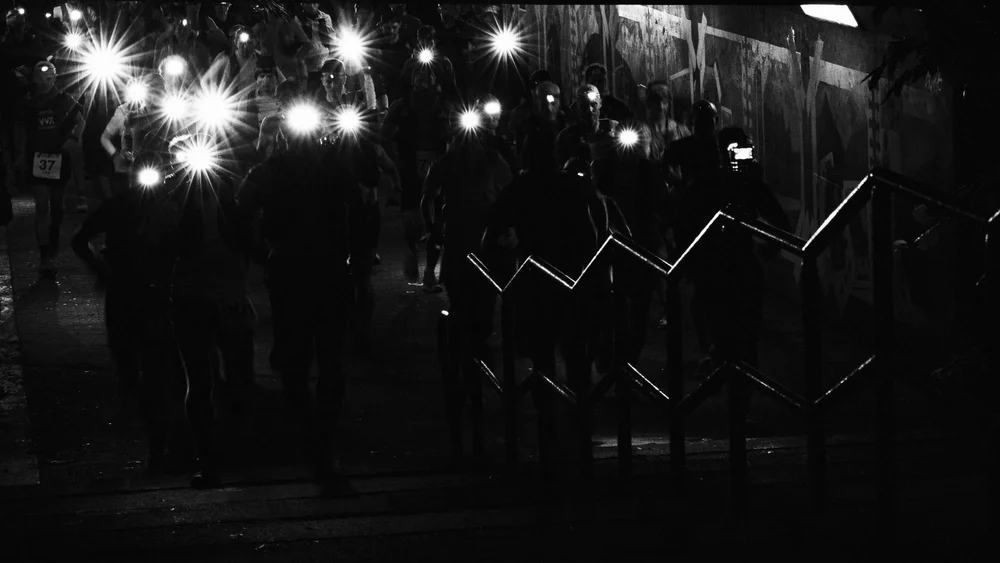
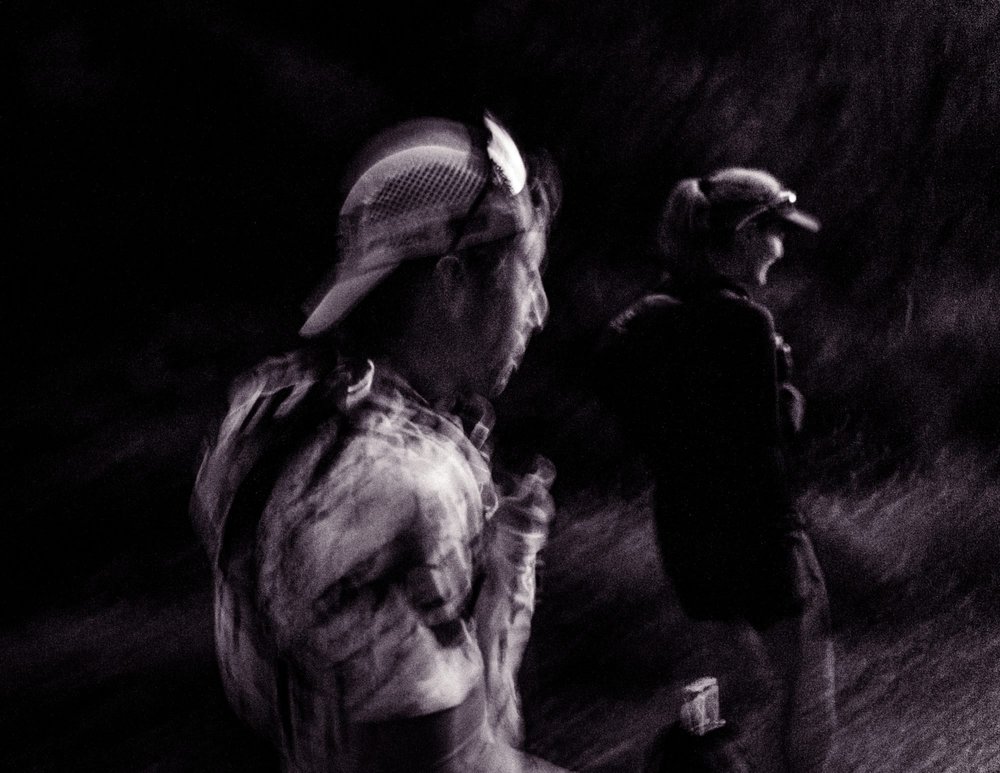
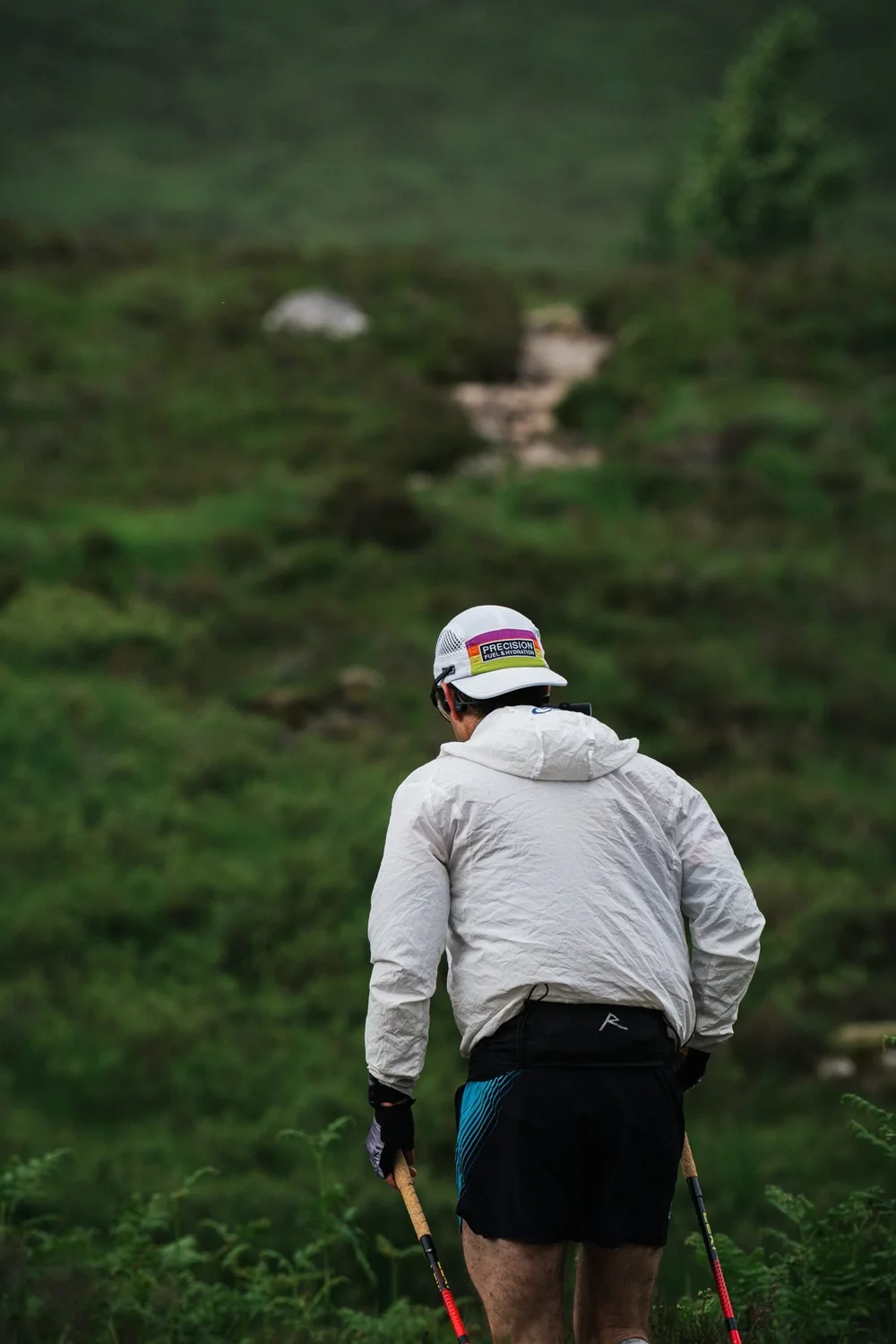
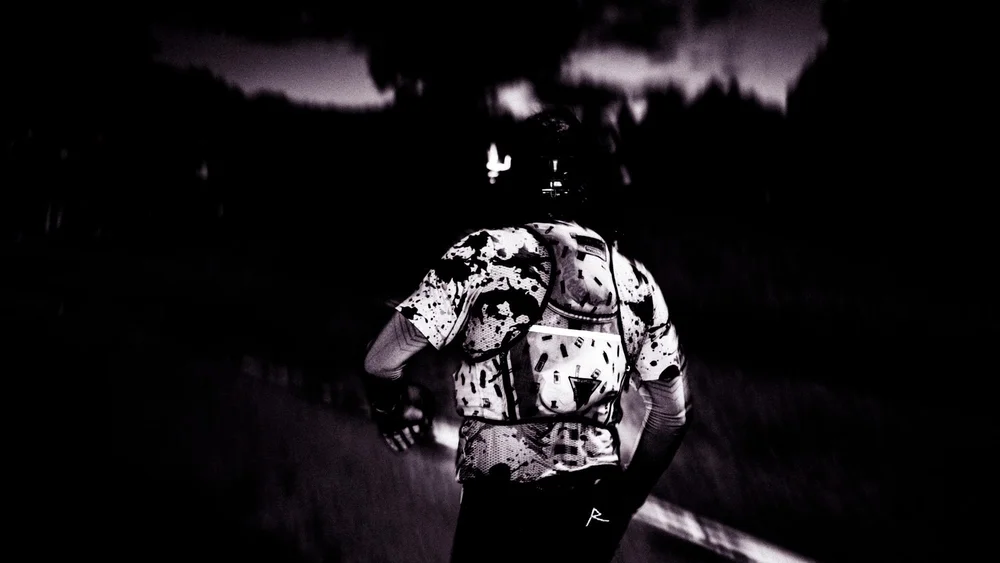
Multi-day events, overnight ultras and the Spine Race ask you to perform on no sleep at all. That is a plan, not a hope: what to bank beforehand, when a short nap pays for itself and when it does not, how to manage the hours before dawn, and how to recover afterwards. A daytime nap opportunity improves both physical and cognitive performance after sleep loss (Souabni et al., 2021), and our sleep coach’s own research tested exactly when and for how long after two nights of restricted sleep (Gallagher et al., 2023).
Not sure whether sleep coaching, nutrition, physiotherapy or coaching is the right first step? Complete the screening questionnaire or email info@hp-3.co.uk and ask, and we will tell you plainly.
Screen it, assess it, build it into your training
Every HP3 sleep coaching engagement follows the same process, in the same order, by video. It starts with a questionnaire that costs nothing. If you want to see what a consultation is like before you begin, watch an example sleep coaching conversation between our sleep coach and an HP3 coach.
A free screening questionnaire
A short online form: your sport and training, how many hours you usually sleep, when you go to bed and wake, whether weekends differ, how satisfied you are with your sleep, any diagnosed sleep condition, current symptoms, and the medication, supplements and sleep aids you already use. Our sleep coach reads it and tells you honestly whether sleep coaching is the right route. If the right answer is your GP, you will hear that first.
A personalised sleep assessment
A 60-minute video consultation that goes through your sleep history, your chronotype, your training and racing calendar, and any sleep diary or wearable data you have. Together you work out what is actually limiting your sleep, which is rarely the thing you expected, and agree a plan: sleep timing and routine, light and caffeine, training and meal timing, and the specific preparation for the race or trip you have coming.
Build it into the programme
Sleep changes are trained like physical ones: in the weeks before they are needed, with the plan adjusted as the data comes back. If you are coached by HP3 and you give your consent, the sleep plan is written into your TrainingPeaks programme, so your coach moves the sessions that need moving, your nutritionist knows the timing, and your physiotherapist knows how recovery is going. Nothing from a consultation reaches anyone without your say-so.

What to have ready
- Two weeks of honest bed and wake times. A notes app is fine; a wearable is useful but not required.
- Your training and racing calendar, including any travel, so the plan can be timed to what matters.
- Anything you already take or use to sleep, and anything a doctor has already told you about your sleep.
- The moments you want to change: the 5am session you dread, the race night you lay awake, the week you fell apart.
What you receive
- A clear account of what is limiting your sleep, in plain language, and what the evidence says will and will not help.
- A written sleep plan: timing, routine, light, caffeine, and the preparation for your next race or trip.
- For overnight and multi-day events, a nap and recovery strategy for before, during and after.
- With your consent, a note to your HP3 coach, nutritionist or physiotherapist so everyone works from the same plan.
HP3 sleep coaching is about the sleep of healthy athletes: how much you get, when, and how well it serves your training, your travel and your racing. It is delivered by a researcher in sleep physiology and chronobiology, and every recommendation has a published basis.
It is not a sleep clinic. We cannot diagnose or treat sleep apnoea, insomnia disorder or any other sleep or medical condition. The screening questionnaire asks about these for exactly that reason: if your answers suggest one, we will say so and point you to your GP before anything else.
One fee, from a first screening to race night
Every consultation is delivered by HP3’s sleep coach by video, and every plan is built from your own data rather than a template. Start with the free screening questionnaire; after that, every consultation is 60 minutes and costs £75, whatever you bring to it.
One-to-one sleep coaching
For athletes at any level, coached by HP3 or not, and for the people who support them.
- Sleep screening questionnaireOnline. Identifies likely sleep problems and the individual factors behind them, and whether sleep coaching is the right route.Free
- Personalised sleep assessment, 60 minutesVideo consultation: sleep history, chronotype, training and travel calendar, diary or wearable data, and a written plan for timing, routine, light and caffeine.£75
- Follow-up consultation, 60 minutesReview of what changed, adjustment of the plan, and preparation for the next block, race or trip.£75
- Travel and competition sleep planBody-clock alignment for time-zone travel, early starts and overseas competition, starting before you leave. Delivered as a session.£75
- Overnight and multi-day race planPre-race sleep banking, in-race nap strategy, managing the hours before dawn, and recovery afterwards. Delivered as a session.£75
Clubs, teams, coaches and researchers
For groups who want the same evidence-based approach delivered together.
- Club and team workshopsSleep for endurance athletes, delivered online or in person and tailored to the group.On enquiry
- Sleep education for coachesHow to support an athlete’s sleep without becoming their sleep coach. Start with our free sleep guide for coaches.Free guide
- Sleep strategy for research and expedition teamsSleep protocols and consulting for research studies, overseas training camps and athletes in extreme environments.On enquiry
Fees are per athlete: £75 per 60-minute session, however many you need, confirmed with you when you book. Consultations are by video, so the service is available wherever you train.
Your sleep coach
HP3 sleep coaching is led by a researcher in sleep physiology and chronobiology who has tested, in the laboratory, what two nights of poor sleep do to performance and whether a nap repairs it, and who has supported para-athletes through overseas training and competition. The combination is deliberate: the person you talk to can read the evidence, and has sat up through the night with athletes who had to perform the next day.
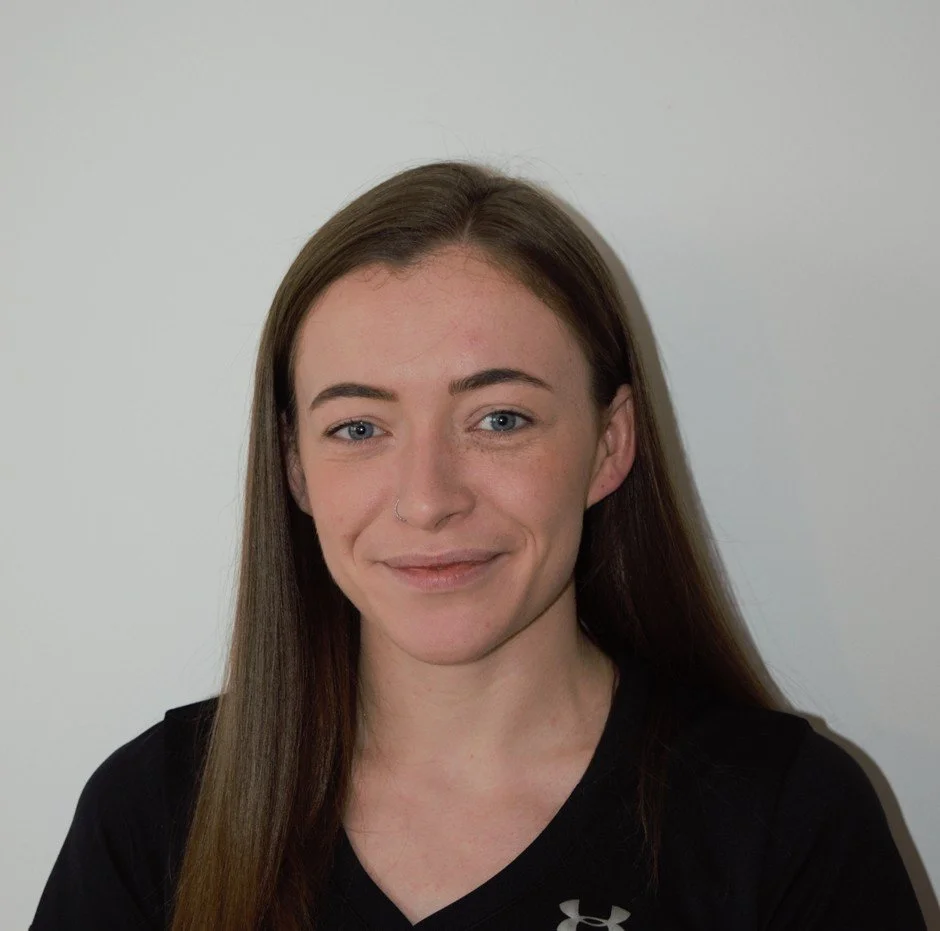
Dr Chloe Gallagher
Sleep coach BSc Sport and Exercise Science. MSc Sport Nutrition. PhD in sleep and chronobiology, Research Institute for Sport and Exercise Sciences, Liverpool John Moores University.Chloe’s research examines what sleep loss does to cognitive function, mood and exercise performance, and what repairs it: her doctoral work tested the timing and length of naps after consecutive nights of restricted sleep, and she has co-authored reviews on sleep loss and muscle strength, on the time of day and cognitive performance, and on sleep and chronotype in elite athletes. Alongside the research she has supported Para Pentathlon athletes at national and European competitions and through overseas training, and has advised research teams and athletes preparing for extreme environments. Her MSc is in sport nutrition, so the timing of meals, caffeine and supplements is part of the conversation rather than a separate one. A former competitive swimmer, she knows what it is to balance early starts, training load and sleep, and her aim is simple: turn the research into recommendations an athlete can actually follow.
We work from evidence, not gadgets. Wearable data is welcome and useful, but it is not a diagnosis, and we will tell you when a reading means less than the app suggests. We do not sell supplements, mattresses or a guaranteed number of hours.
Everything said in a consultation is confidential. We share nothing with your coach, your physiotherapist or anyone else without your consent, and when you do consent we share the plan, not the conversation. If what you need is beyond sleep coaching, we say so and help you find the right service.
A selection of Dr Chloe Gallagher’s peer-reviewed work on sleep loss, napping and performance. The full list is on her ResearchGate profile and ORCID record.
- When a nap pays for itself. Gallagher C, Green CE, Kenny ML, et al. Is implementing a post-lunch nap beneficial on evening performance, following two nights partial sleep restriction? Chronobiol Int 2023;40(9):1169-1186. doi:10.1080/07420528.2023.2253908
- How much sleep loss is too much. Edwards BJ, Brotherton E, Markov A, et al. Exploring a critical threshold in sleep loss on subsequent evening performance, following two nights partial sleep restriction. Brain Behav 2025;15(8):e70741. doi:10.1002/brb3.70741
- Supplements and short sleep. Gallagher C, Austin V, Dunlop KA, et al. Effects of supplementing zinc magnesium aspartate on sleep quality and submaximal weightlifting performance, following two consecutive nights of partial sleep deprivation. Nutrients 2024;16(2):251. doi:10.3390/nu16020251
- Sleep and chronotype in elite athletes. Pullinger SA, Adhikari R, Bawari B, et al. Sleep quality, behaviour, disorders prevalence and chronotype in elite junior and senior athletes. Biol Rhythm Res 2025;56(5):335-351. doi:10.1080/09291016.2025.2453834
- Sleep loss and strength. Easow J, Bommasamudram T, Munnilari M, et al. Implications of sleep loss or sleep deprivation on muscle strength: a systematic review. Sleep Breath 2025;29(4):242. doi:10.1007/s11325-025-03413-0
- Sleep loss and athletic performance, the overview. Edwards BJ, Gallagher C, Pullinger SA, de Mello MT, Walsh NP. Athletic performance; effects of sleep loss. In: Encyclopedia of Sleep and Circadian Rhythms, 2nd ed. Elsevier, 2023:434-443. doi:10.1016/b978-0-12-822963-7.00249-8
Learn from us
HP3 publishes what it teaches. Watch a real sleep coaching conversation, hear what the research says about sleep and performance, use the guide we wrote for coaches, and read the papers our sleep coach has published. If you then want the plan built for you and your races, that is what the consultations are for.
Watch
Read and use
The research
- Sleep and the athlete: the 2021 expert consensusWalsh et al., British Journal of Sports Medicine
- What acute sleep loss does to physical performanceCraven et al., Sports Medicine, 2022
- Daytime napping and performance after sleep lossSouabni et al., Sports Medicine, 2021
- Does a post-lunch nap repair two nights of short sleep?Gallagher et al., Chronobiology International, 2023
- Zinc magnesium aspartate, sleep and strength after short sleepGallagher et al., Nutrients, 2024
Frequently asked questions
Do I need to be coached by HP3 to use sleep coaching?
No. Sleep coaching is open to anyone: coached elsewhere, self-coached or not training to a plan at all. If you are coached by HP3 and you choose to, your sleep coach, coach, nutritionist and physiotherapist can work from the same plan, so the sleep changes are built into your programme rather than added on top of it.
What happens after I complete the screening questionnaire?
Our sleep coach reads your answers and replies by email. You will be told whether sleep coaching is the right route and what the first consultation would cover, before anything is booked. If your answers suggest a sleep or medical condition, you will be asked to see your GP first.
What does it cost?
The screening questionnaire is free. Every consultation after that is 60 minutes and costs £75, whether it is the first assessment, a follow-up, or a travel or race plan. Workshops for clubs and teams, and consultancy for research and expedition teams, are priced on enquiry. The full list is in what sleep coaching covers.
Do I need a sleep tracker or wearable?
No. Two weeks of honest bed and wake times in a notes app are enough to start. If you already use a wearable, bring the data; it is useful for timing and consistency, but it is not a diagnosis, and part of the work is knowing which of its numbers to trust.
Can you diagnose or treat a sleep disorder?
No. Sleep coaching is for the sleep of healthy athletes. We cannot diagnose or treat sleep apnoea, insomnia disorder or any other sleep or medical condition. The questionnaire asks about symptoms and diagnoses so that, if something needs a doctor, we can tell you straight away and point you to your GP.
I race overnight or over several days. Can you help with naps?
Yes, and it is one of the most useful things we do. A plan for an overnight ultra or a multi-day event covers what sleep to bank beforehand, when a short nap during the race is worth the time and when it is not, how to manage the hours before dawn, and how to recover afterwards. The evidence on nap timing and length is specific, and our sleep coach has researched it.
I am flying to a race in another time zone. When should I start?
Before you travel. Shifting your body clock uses light, meal and exercise timing, and it works best when it starts in the days before departure rather than on arrival. How far in advance depends on the direction and number of time zones, so the plan is built for your trip rather than taken from a chart.
Is what I tell you confidential?
Yes. Nothing from your questionnaire or a consultation is shared with your coach, your physiotherapist or anyone else without your consent. When you do consent, what is shared is the plan your coach needs to adjust your training, not the content of the conversation.


Start with the screening questionnaire
It is free, it takes a few minutes, and it is read by our sleep coach and no one else. Tell us what you are training for and what your sleep is doing, and you will get an honest answer on whether sleep coaching is the right route, and what the first consultation would cover.
If what you need is coaching, nutrition or physiotherapy rather than sleep coaching, start with coaching with HP3, sports nutrition or physiotherapy at HP3. If you would rather get to know the team first, join the TeamHP3 community.
Not sure which service you need? Email info@hp-3.co.uk and ask.
Four steps, in this order. Every consultation is 60 minutes and costs £75. The full list of what sleep coaching covers is in what sleep coaching covers.
- Screening questionnaireOnline, a few minutes.Free
- Reply from our sleep coachWhether sleep coaching is right for you, and what to do next.By email
- Personalised sleep assessment60-minute video consultation and a written plan.£75
- Follow-up and integrationWith your consent, into your HP3 programme.£75 per session